Best Ways to Wind Down After a Stressful Day: Simple Techniques for Relaxation and Recharging
After a long, stressful day, it’s important to take time for yourself and unwind. The best ways to wind down after a stressful day include activities that help you relax and manage stress effectively.
From deep breathing techniques to engaging in hobbies you love, finding a routine that calms your mind can significantly improve your mental health.
Consider dedicating a few moments to gentle exercise, like stretching or going for a walk. This not only gets your body moving but also helps in releasing tension built up from the day’s challenges.
You might also find comfort in activities like reading a good book or enjoying a warm bath, which can soothe the mind and body alike.
Connecting with friends or family can be a great way to share your day and boost your mood. Remember, taking time to relax is not just a luxury but a necessity for maintaining your overall well-being.
Prioritize your downtime, and you’ll see how it can enhance your mood and help you face tomorrow with renewed energy.
Understanding Stress
Stress is a natural reaction that everyone experiences. It can affect both your body and mind in many ways. Recognizing how stress manifests in your life can help you manage it better.
Physical and Mental Impact of Stress
Stress can lead to a variety of physical symptoms like headaches, muscle tension, and fatigue. It may also affect your immune system, making you more susceptible to illnesses.
You might notice that your heart races or you feel short of breath during stressful moments.
On the mental side, stress can cause anxiety and irritability. You might find it hard to concentrate or make decisions. Chronic stress can even lead to more severe mental health issues, such as depression.
Recognizing these symptoms can help you take action to manage stress effectively.
Identifying Personal Stressors
To effectively reduce stress, it’s important to know what triggers it for you. Common stressors include work pressures, relationships, and financial worries.
Take some time to reflect on your daily routine. You can keep a simple journal to track moments when you feel stressed. Ask yourself what situations lead to those feelings.
Once you identify your personal stressors, you can create a plan to manage or avoid them.
Consider talking to someone you trust about your stressors. Sharing your feelings can lighten the burden and offer new perspectives for managing stress.
Developing a Relaxing Routine
Creating a relaxing routine can help you reduce stress and improve wellness. By setting a consistent schedule and incorporating moments of rest, you can make your day easier and more enjoyable.
Benefits of a Consistent Schedule
Having a consistent routine is great for your health. It helps your body know when it’s time to be active and when it’s time to relax. This balance can make it easier to manage stress.
When you follow a regular schedule, your body’s internal clock adjusts. You may find that falling asleep and waking up becomes easier. A set time for winding down at the end of the day signals to your brain that it’s time to relax.
Additionally, a consistent schedule helps you plan rest breaks throughout your day. Even short breaks can help recharge your energy and improve your focus.
Incorporating Rest into Daily Life
To include rest in your daily life, try setting aside specific times for activities that help you unwind. Here are a few ideas:
- Deep Breathing: Take a few moments to focus on your breath. Inhale deeply and exhale slowly.
- Gentle Stretching: Spend time stretching your body. It can relieve tension and improve your mood.
- Mindful Moments: Use short breaks to practice mindfulness. Paying attention to the present can ease stress.
Finding activities that help you relax is key. Whether it’s reading a book, taking a walk, or listening to music, choose what feels best for you.
Incorporating regular rest into your daily routine makes it easier to manage stress and supports your overall wellness.
Mindfulness and Relaxation Techniques
Mindfulness and relaxation techniques can greatly help you unwind after a stressful day. By focusing on techniques like meditation, deep breathing, and yoga, you can manage and reduce your stress levels effectively.
Introduction to Meditation
Meditation is a simple practice that encourages you to focus your mind. You can start by finding a quiet space where you feel comfortable.
Close your eyes and take a few deep breaths to center yourself.
Focus on your breath or a calming thought. This helps clear your mind of distractions.
There are many types of meditation, such as guided meditation or mindfulness meditation. You can find apps or online videos to help you get started.
Regular practice can improve your overall well-being and help you feel more relaxed throughout your day.
Deep Breathing Exercises
Deep breathing exercises are easy to do anywhere, anytime. One effective technique is the 4-7-8 method.
Inhale through your nose for a count of four. Hold your breath for seven counts. Then, exhale slowly through your mouth for eight counts.
This method can lower your heart rate and promote relaxation.
You can also try diaphragmatic breathing. Place one hand on your chest and the other on your stomach. Breathe deeply so your stomach rises rather than your chest. This ensures you’re taking in enough air, which helps calm your mind.
The Role of Yoga in Stress Relief
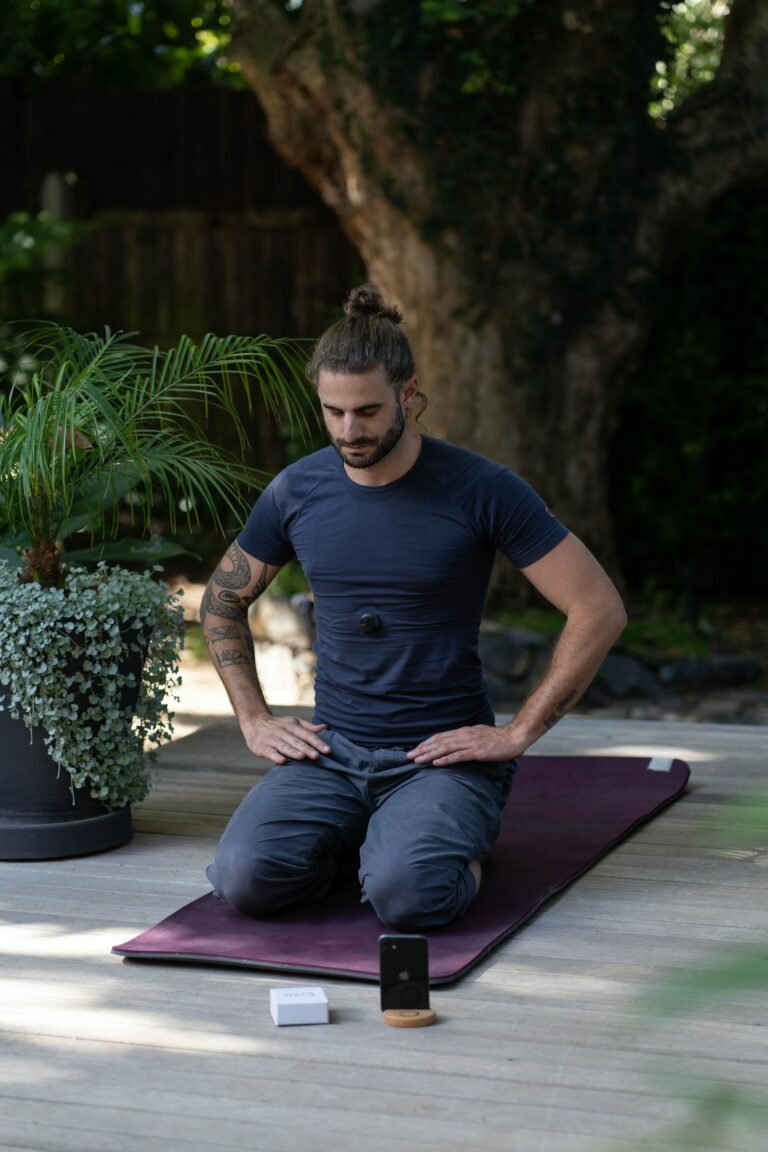
Yoga combines physical movement with mindfulness. It is a wonderful way to relieve stress while improving flexibility and strength.
Gentle poses, such as Child’s Pose or Cat-Cow, can help release tension in your body.
During yoga, focus on your breath and the movements. This combination encourages mindfulness.
As you practice regularly, you may notice an improvement in your mood. Many people find that practicing yoga in the evening helps them wind down and sleep better.
Each of these techniques can support your journey to manage and reduce stress effectively.
Physical Activities for Stress Relief
Engaging in physical activities can greatly help you manage stress after a long day. By focusing on exercises that boost your mood and connect you with nature, you can significantly improve your overall well-being.
Exercise and Endorphin Release
Exercise is one of the best ways to release endorphins, which are natural mood lifters. When you engage in physical activity, your body produces these chemicals that can enhance your sense of happiness and reduce stress.
Consider activities like jogging, dancing, or even brisk walking. Aim for at least 20-30 minutes each day.
You can also mix different exercises to keep things exciting. Strength training, yoga, or even a simple workout video can help elevate your mood too.
These activities not only improve your physical health but also allow you to clear your mind.
Focus on how your body feels and what you enjoy about the movement. You will likely find that regular exercise becomes a vital part of your stress management routine.
Outdoor Activities and Connection to Nature
Spending time outdoors can have a calming effect on your mind. Activities like hiking, biking, or gardening allow you to connect with nature and take a break from daily pressures.
When you step outside, notice the sights and sounds around you. The fresh air and sunlight can boost your mood and energy levels.
Nature walks, even in your local park, offer a chance to clear your mind.
Consider joining a local hiking group or starting a small garden. These activities not only promote physical health but also help build social connections.
Sharing experiences with others can further reduce stress and enhance your sense of belonging.
Nourishment and Sleep
Taking care of what you eat is key to feeling good and sleeping well. Nourishing your body with healthy foods can improve your mental health, while good sleep hygiene helps you get the rest you need. Here’s how you can focus on both.
Power of a Balanced Diet on Mental Health
Eating a balanced diet is essential for your mental well-being. Focus on whole foods that include fruits, vegetables, whole grains, and lean proteins. These foods provide the vitamins and minerals your body needs to function properly.
Consider including:
- Leafy greens: Spinach and kale are packed with nutrients.
- Fruits: Berries can boost your mood and memory.
- Nuts and seeds: These are great for brain health and energy.
Limit alcohol and sugary snacks before bed. They can disrupt your sleep pattern.
Instead, opt for a light snack if you’re hungry. A small bowl of yogurt or a banana can be just right to help you relax.
Sleep Hygiene for Better Rest
Good sleep hygiene is crucial for restful nights. Start by setting a consistent sleep schedule. Go to bed and wake up at the same time each day, even on weekends.
Create a calm bedtime routine to signal your body to wind down. Consider activities like:
- Reading a book.
- Taking a warm bath.
- Practicing relaxation exercises or light stretching.
Make your sleep environment comfortable. Keep the room dark and cool.
Consider using earplugs or a white noise machine if outside sounds bother you. By making these changes, you’ll improve your chances of a restorative sleep each night.
Leisure Activities for Unwinding
When you’ve had a long, stressful day, engaging in leisure activities can help you relax and recharge. Activities like reading and watching movies offer an escape from reality. Each can also provide a sense of comfort and joy.
Escaping into Literature
Reading is a fantastic way to unwind. Whether it’s fiction, non-fiction, or poetry, books let you escape into different worlds. You can connect with characters and stories that resonate with you.
Consider keeping a few books on hand that you enjoy. Make a cozy spot in your home where you can read without distractions.
Set a goal to read for at least 20 minutes each day. This small time commitment can help clear your mind and ease stress. You’ll find that immersing yourself in a good book can be a soothing experience.
The Therapeutic Effects of Watching Movies and Play
Watching movies is another great way to de-stress. A good film can make you laugh, cry, or feel inspired.
It’s all about finding films that suit your mood.
You might also enjoy plays or performances. Live theater can be captivating and adds a different touch compared to movies.
Create a movie night routine with your favorite snacks and cozy blankets. Whether you choose a comedy, drama, or classic, make it a special time to relax.
Both films and plays are perfect for distracting you from everyday worries, allowing you to focus on the stories unfolding in front of you.