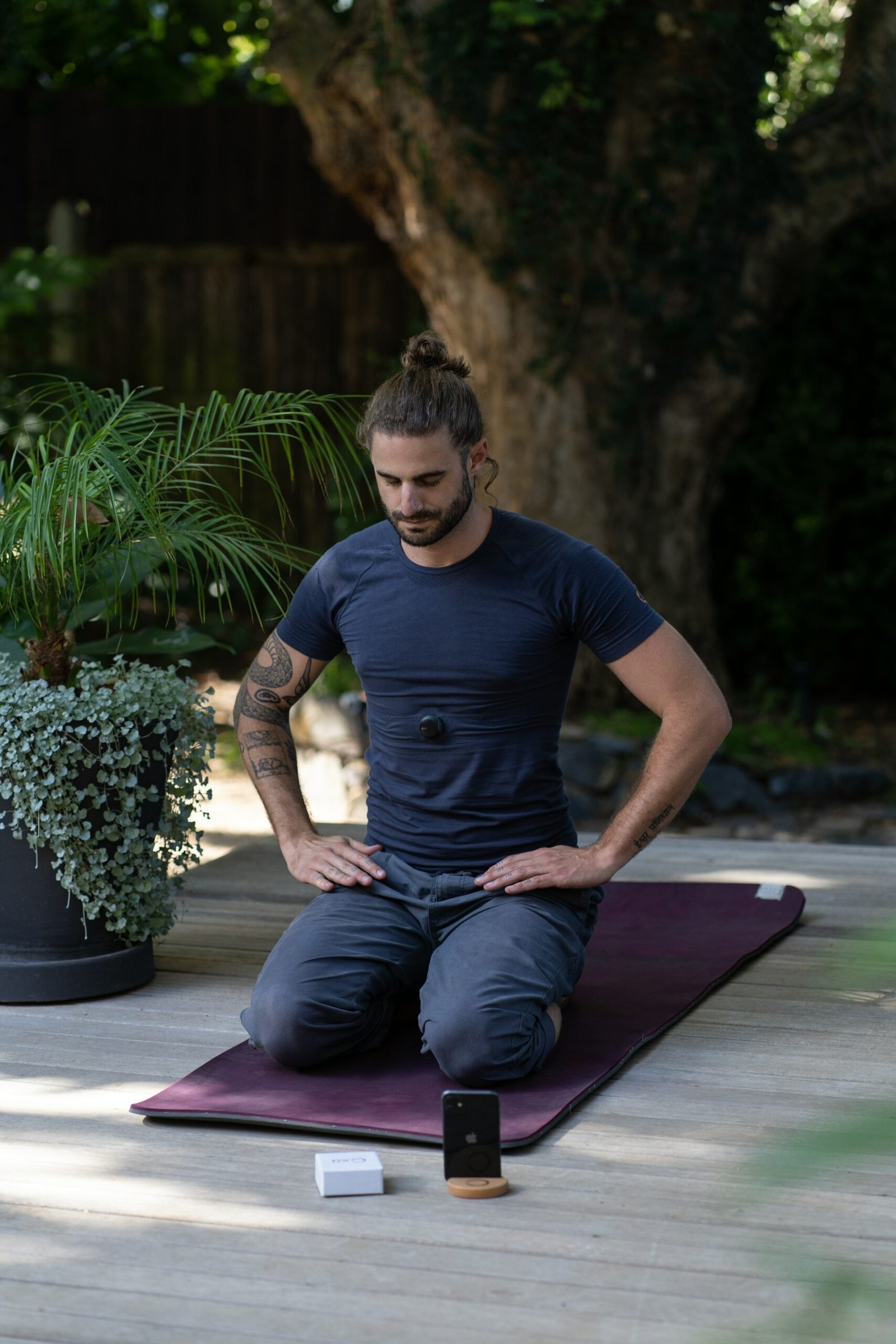
Best Mindfulness Apps for Beginners: A Simple Guide to Getting Started
If you’re looking to improve your mental health and find ways to manage stress, mindfulness apps can be a great starting point. These apps offer guided exercises and resources to help you practice mindfulness at your own pace.
The best mindfulness apps for beginners provide simple, effective tools that help you create a calming routine and reduce stress in your daily life.
Choosing the right app can make all the difference in your mindfulness journey. Many apps feature short meditation sessions, which are perfect for newbies who may feel overwhelmed at the thought of meditating for long periods.
With tools to assist in your mindfulness practice, you can develop healthy habits to manage stress and improve your overall well-being.
Ready to explore some of the top options out there? Whether you’re seeking relaxation techniques, guided meditations, or stress management tips, the right app can make it easy for you to start your mindfulness journey today!
Why Mindfulness Matters
Mindfulness is essential for maintaining mental health and managing stress. It equips you with tools to stay present and calm amid life’s challenges. Understanding its benefits can motivate you to practice mindfulness regularly.
The Benefits of Mindfulness
Practicing mindfulness can lead to various positive changes in your life. By focusing on the present moment, you can reduce feelings of anxiety and stress. This shift can help improve your overall mood.
Some benefits include:
- Reduced anxiety: Mindfulness helps you recognize anxious thoughts without judgment.
- Improved focus: Regular practice can enhance your ability to concentrate and stay on task.
- Emotional regulation: It teaches you to respond to emotions rather than react impulsively.
Apps like Headspace and Calm provide guided meditations that can help cultivate these benefits. They make it easier to incorporate mindfulness into your daily routine.
Understanding Stress and Mental Health
Stress can affect anyone, and it often impacts your mental health significantly. Mindfulness provides a way to manage stress effectively.
When you practice mindfulness, you can:
- Identify triggers: Recognizing what causes your stress can help you address it.
- Enhance self-awareness: Understanding your thoughts and feelings allows for better emotional responses.
- Promote relaxation: Techniques like deep breathing can calm your mind and body.
You can learn to handle stress better by using mindfulness apps. They offer strategies tailored to your needs, making it easier for you to achieve a sense of calm in your daily life.
Choosing the Right Mindfulness App
Finding the right mindfulness app can enhance your meditation practice and make it more enjoyable. Consider key features and whether to choose a free or paid option to suit your needs.
Features to Look for in Mindfulness Apps
When selecting a mindfulness app, look for guided meditation sessions that match your experience level.
Beginner-friendly options may have shorter sessions, typically 5 to 10 minutes long.
Check if the app offers a variety of meditation styles, such as breathing exercises, sleep aids, or focus techniques. This keeps your practice fresh and engaging.
You might also want to see if the app has a community feature. Connecting with others can provide support and motivation.
Lastly, make sure the app is easy to navigate. A user-friendly interface helps you focus on your practice without distractions.
Free vs. Paid Meditation Apps
Many mindfulness apps offer both free and paid options.
Free meditation apps provide basic features, which are often enough for beginners. You can still access guided meditations and mindfulness exercises without spending money.
Paid meditation apps usually offer more features, such as exclusive content, advanced courses, and ad-free use. If you’re serious about your practice, investing in a paid app might be beneficial.
Always check user reviews and trial options before committing to a subscription. This way, you can see if the app suits your needs without any financial commitment upfront.
Top Mindfulness Apps for Beginners
When starting your mindfulness journey, having the right tools can make a big difference. Here are some of the best apps to help you practice mindfulness in a way that feels right for you.
HeadSpace: Guided Meditations for Every Level
HeadSpace is a top choice for beginners. It offers a variety of guided meditations that cater to different needs. Whether you’re anxious, want better sleep, or need focus, HeadSpace has sessions designed for you.
The app features short, practical exercises that are easy to follow. You can choose sessions as short as 10 minutes, making it simple to fit into your daily routine.
One of its standout features is the “Sleep” section, which includes calming soundscapes and sleepcasts to help you drift off peacefully. This combination of meditation and sleep tools makes HeadSpace a versatile choice for mindfulness.
Calm: Relaxation at Your Fingertips
Calm delivers a wide range of mindfulness experiences focused on relaxation and stress relief. You’ll find guided meditations, sleep stories, and soothing music all in one app.
One great feature is the daily Calm, which offers a fresh meditation each day. This helps you stay engaged and makes it easy to create a daily habit.
Calm also has a user-friendly interface, making it easy for anyone to navigate. If you’re looking for a way to unwind, the nature sounds and sleep stories are perfect for soothing your mind at the end of the day.
Insight Timer: A Community of Mindfulness
Insight Timer is unique due to its extensive library of free content. With over 100,000 guided meditations, you can explore different teachers and styles. This makes it a great fit for those new to mindfulness.
One of its key features is the community aspect. You can join groups, attend live events, and connect with other users. This supportive environment can motivate you on your mindfulness journey.
The app also offers customizable timers for your own meditation practice. You can select sounds to signal the beginning and end of your session, which enhances your practice. Insight Timer truly brings a sense of community to mindfulness.
Smiling Mind: Mindfulness for Every Age
Smiling Mind focuses on providing mindfulness programs for different age groups. It is particularly great for children, teens, and adults, with tailored content for each demographic.
This app emphasizes mindfulness exercises that are practical and engaging. Programs are designed to be accessible and fun, making it easier for beginners to get started.
Smiling Mind also includes educational resources for parents and teachers. This ensures that the practice can be integrated into daily life. It’s a wonderful app if you want mindfulness to become a part of your routine naturally.
Incorporating Mindfulness into Daily Life
Integrating mindfulness into your daily routine can enhance your focus, boost productivity, and bring balance to your life. Simple exercises and mindful practices can help create a healthier mind and a better overall experience.
Simple Exercises for Everyday Mindfulness
You can start practicing mindfulness anytime, anywhere. Here are some quick exercises to try:
Mindful Breathing: Set aside a few minutes each day to focus on your breath. Inhale deeply through your nose and exhale slowly through your mouth. Count to four for each phase to help maintain focus.
Body Scan: Lie down or sit comfortably. Slowly bring attention to each part of your body, from your toes to your head. Notice any tension and consciously relax those areas.
Mindful Walking: Take a short walk while paying attention to each step. Feel your feet touch the ground and focus on your surroundings, including sounds and smells.
These exercises can easily fit into daily meditations and lead to healthier minds.
Creating a Mindful Morning Routine
A mindful morning sets a positive tone for your day. Consider these tips to create a routine:
Wake Up Early: Give yourself extra time without rushing. This helps reduce stress and allows space for mindfulness practices.
Morning Meditation: Spend 5 to 10 minutes in meditation. This can be guided or silent. It’s a great way to start the day with clarity.
Gratitude Journaling: Write down three things you are grateful for each morning. This simple action boosts positivity and shifts your focus to the good in your life.
By adopting these practices, you can boost your focus and productivity throughout the day while maintaining balance in your life.
Getting the Most Out of Mindfulness Apps
Mindfulness apps can help you improve your practice by tracking your progress and offering various resources. By using guided meditations and combining these digital tools with traditional meditation methods, you can enhance your relaxation and mindfulness experience.
Tracking Progress with Mindfulness Apps
Many mindfulness apps allow you to track your meditation sessions. This feature helps you see how often you practice and the type of meditations you prefer.
You can follow your daily habits right from the app. You might find features like:
- Session Length: Time spent meditating.
- Meditation Types: Guided meditations, sleep exercises, or soundscapes.
- Achievements: Milestones, like consecutive days meditated.
Tracking your progress can motivate you to stick with your routine. It can also show your improvement over time, reinforcing the positive effects of meditation in your life.
Combining Apps with Traditional Meditation
Using mindfulness apps alongside traditional meditation can deepen your practice. Apps provide guided meditations, and you can also benefit from direct, personal experiences.
To combine the two approaches:
- Set a Regular Schedule: Use the app for guided sessions a few days a week.
- Practice Silence: On other days, meditate without guidance. Focus on your breath or emotions.
- Incorporate Meditation: Use techniques from the app during your daily life. For example, try mindfulness while eating or exercising.
This blend helps you personalize your meditation experience. It can help you find what truly works for you in relaxing and focusing your mind.